
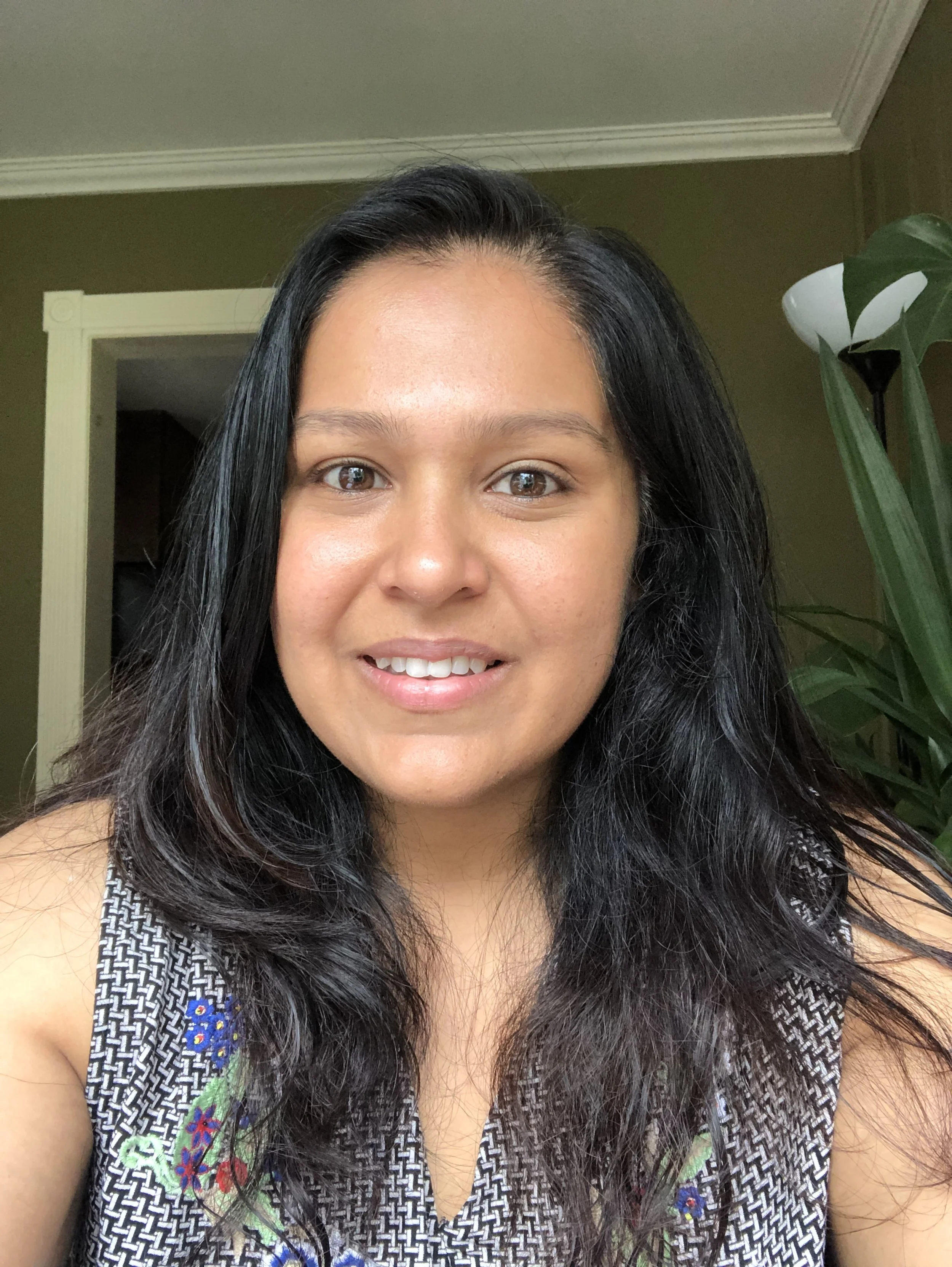
I'm Amoolya Kumar, a product designer with 13+ years of experience and a background in computer science and human-centered design.
I work at the intersection of AI, cybersecurity, and systems thinking, designing products that hold up over time and keep people in control.
Discernment
I decide what belongs in a product, and more often, what doesn't.
Reuse
I build patterns and systems that enable reuse and improvements.
Agency
I design so the person keeps the wheel, building trust.
What I'm designing toward
I ran a 1:1 research study during accessibility training, not for any project, just because I wanted to understand how AI was actually landing for disabled people. A blind participant described pointing their phone at a street and having AI tell them where they were. What stayed with me wasn't the capability, it was that they no longer had to wait for someone else to read them a menu or find the right direction. That's the bar I hold AI to: not what it does for a person, but what that person can now do without asking or waiting. In enterprise security the shape is different, an analyst who can follow an agent's reasoning and overrule it, but the question is the same one about who keeps the wheel.
What I build
At Cisco I design AI-driven products for the security portfolio, and I build the tooling that helps other teams design agentic products well. The work I'm proudest of is the AI UX Playbook, a cross-org initiative that gives design, PM, and engineering teams shared principles for building responsible AI experiences, brought into their workflows through the AI UX Playbook MCP Server and the Agentic UX Design Critique Skill. It spans 20+ product teams across 4 business groups. The goal was never more guidance, it was to make research-backed patterns reusable, so teams stop rebuilding the same interaction badly and spend their creative energy on what's genuinely new.
What I leave out
A lot of the work is deciding what doesn't belong. The difference between analytics, machine learning, AI, and agentic isn't academic, it sets what a person can expect, trust, and undo. When those distinctions collapse into one assistant bolted onto a product, the experience gets worse and people learn not to believe it. I'd rather ship the smaller thing that's true.
Design philosophy
How something works, the logic underneath, the assumptions baked in, the system behind every interaction, shapes people's lives in ways that stay invisible until something goes wrong. Most conversations about AI design focus on the interface, how the response surfaces, what the loading state looks like. Those are real questions, but the decisions that matter happen earlier, in the principles that define how an AI should behave and in the systems that make responsible design repeatable instead of dependent on one person getting it right.
The foundations don't change when the technology does. The same principles that governed good design before AI still govern it now, only the material is new. So I build things meant to last, and I'd rather fix and reuse than replace.
Work preference
Based in metro Detroit, Michigan, I’m open to local or remote roles offering H-1B transfer.